


Leak Detection & Repair Services
Take Control of Your LDAR Program
Leak Detection and Repair programs built around your facility, your requirements and the way you operate. From Method 21 and optical gas imaging (OGI) to component inventories, repair tracking, documentation and reporting, Onterris helps you build and execute a defensible LDAR program.


Find leaks. Know what matters. Act on it.
Match the method to the requirement
Federal rules, state requirements, permits and facility-specific obligations can call for different monitoring approaches. Onterris helps determine where Method 21, OGI or other approaches fit so your program is built for your needs.
Find leaks safer, faster and more efficiently
OGI gives technicians a faster way to scan equipment and visualize methane, VOCs and other fugitive emissions, helping teams locate leaks and move from detection to repair more efficiently.
Track leaks through repair
Track components, inspections, leaks, repairs and program activity in Target Online, giving your team a centralized view of LDAR performance and a continuous record of what happened, when and why.
Keep a defensible audit trail
Keep inspections, repair activity, field documentation and reporting connected so your team can quickly report on program activity when regulators, auditors or internal stakeholders need it.
Build the best LDAR program for your facility
The right LDAR program depends on your equipment, regulatory requirements, operating environment and internal resources. Onterris brings the field personnel, technology, program infrastructure and technical expertise together so you can build the approach that works for your facility and keep it working over time.


An LDAR program you can rely on
Onterris helps clients design, implement and optimize LDAR programs that align regulatory requirements with operational realities, delivering accurate emissions data, streamlined compliance workflows and improved environmental performance across facilities. Talk to an LDAR expert today.
Case Study
Modernizing LDAR at Freeport LNG
Freeport LNG’s original LDAR assumptions were built around roughly 10,000 components. A full inventory review identified more than 76,000 components, making the initial Method 21-heavy approach difficult to execute.
Onterris helped Freeport LNG develop and implement an OGI-based program aligned with permit requirements and operating reality. The site now conducts facility-wide camera surveys every two months, with Onterris supporting monitoring, quality assurance, repair tracking and program documentation.
Onterris helped Freeport LNG develop and implement an OGI-based program aligned with permit requirements and operating reality. The site now conducts facility-wide camera surveys every two months, with Onterris supporting monitoring, quality assurance, repair tracking and program documentation.

Talk to an expert about your LDAR program
Fill out this form to talk with an LDAR expert about your facility, program requirements and monitoring objectives.

Explore the latest air quality resources

Designing a Modern LDAR Program: Why Compliance Alone Is No Longer Enough
The best LDAR programs no longer ask, “Are we compliant?” They ask, “What are our emissions telling us about our operation?”
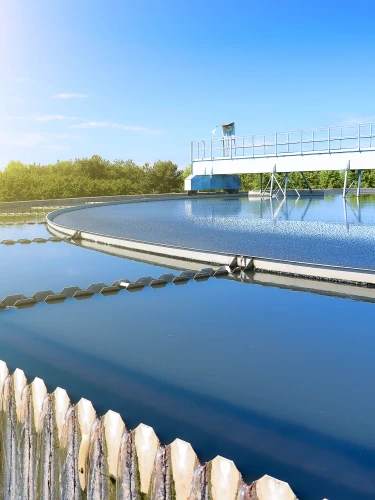
A Smarter Approach to Methane Management in Wastewater Treatment Plants
With better visibility into emissions, operators can act on high-impact leaks, reduce odor and strengthen maintenance outcomes

Appendix K Certification: Why OGI Compliance Demands Expertise and Discipline
The technical standard that determines whether your methane emissions data withstands regulatory scrutiny

Texas Unlocks Faster Path to OGI-Based LDAR Compliance for Oil & Gas
New TCEQ guidance signals a broader shift toward flexible, technology-driven emissions management

Guide
The Environmental Strategy Maturity Curve
Connect your environmental programs to operational impact.

LNG Methane Emissions Measurement & Monitoring
Learn how direct methane measurement across LNG loading, shipping and unloading helps operators strengthen emissions data, compliance and market access.

Can Environmental Programs Keep Pace with Production in the Permian Basin?
Learn how leading operators are building connected, defensible programs that scale with today’s operations and tomorrow’s opportunities

PFAS in Air: New EPA Testing Methods Reshape Emissions Management
What methods like OTM-45 and OTM-50 mean for the future of PFAS in air regulation

Federal Methane Rules in 2026: What Oil and Gas Operators Need to Do Now
Operators that act on measurement, documentation and system readiness now will strengthen performance and stay ahead of compliance