


Odor investigation and response
Bring Science to Your Odor Investigation
Traditional odor monitoring tells you there’s a problem, but not what is causing it, where it is coming from or what to do next. Onterris combines real-time mobile monitoring and odor fingerprinting to help you identify the root cause and focus mitigation where it will make a difference.


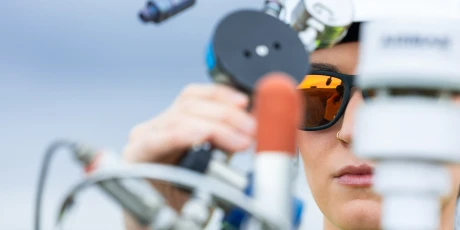
Identify the compounds causing the odor
Move beyond descriptions like “chemical” or “rotten eggs” to understand the specific compounds creating the impact.
Find the root cause of odor, quickly
Differentiate between processes within your facility, neighboring operations and other potential off-site sources.
Focus mitigation where it matters most
Match the right control technology or process improvement to the actual source and compounds, so resources are not spent treating the wrong problem.
Respond to complaints with confidence
Enter regulatory and community discussions with data that guides your response and helps distinguish odor from off-site sources.
Odor response based on data, not assumptions

Case Study
Smarter Odor Monitoring Delivers Healthier Air for Milpitas
Residents in Milpitas were reporting more than 1,200 odor complaints each year, but traditional investigations could not determine which of several nearby operations was responsible.
Onterris deployed its mobile laboratory, fingerprinted potential sources and analyzed community odor plumes to identify distinct contributors and help guide mitigation.
Onterris deployed its mobile laboratory, fingerprinted potential sources and analyzed community odor plumes to identify distinct contributors and help guide mitigation.

How the Onterris odor investigation process works
Step 1: Fingerprint potential odor sources
Chemically analyze each process and emission point across the facility and screen results against a library of more than 500 compounds to create unique odor fingerprints.
Step 2: Combine chemistry with context
Layer complaints, GPS location, wind, weather, process and facility activity data to create a complete picture of the odor event.
Step 3: Attribute the root cause
We compare odor plumes against the fingerprints to identify the most likely contributor or help rule out the facility entirely. Our mobile lab can be deployed closer to the source to gather additional evidence.
Step 4: Turn findings into action
Armed with that data, we help you determine next steps, including operational changes, control systems, repairs, additional monitoring and community or regulatory communication.
Featured Resource
Download the Rapid Odor Response Guide
See how leading operations use real-time mobile laboratories to identify odor sources, investigate emission events and replace speculation with scientific evidence.
In the guide:
In the guide:
- Why response time matters
- Where traditional odor monitoring falls short
- How the Onterris Rapid Response Framework works
- Lessons from real odor investigations
- The operational and reputational value of mobile monitoring

Get clear solutions to your odor challenge
Fill out this quick form to schedule time with an air quality expert.

Explore the latest air quality resources

Turning Odor Signals Into Operational Intelligence
For solid waste and wastewater treatment facilities, real-time odor monitoring connects complaints, weather, operations and chemical data so teams can act faster
A Smarter Approach to Methane Management in Wastewater Treatment Plants
With better visibility into emissions, operators can act on high-impact leaks, reduce odor and strengthen maintenance outcomes

Guide
The Environmental Strategy Maturity Curve
Connect your environmental programs to operational impact.

Benzene at the Fenceline: The Public Metric Downstream Operators Can’t Treat Reactively
Why benzene is becoming a clear test of environmental maturity and operational assurance

LNG Methane Emissions Measurement & Monitoring
Learn how direct methane measurement across LNG loading, shipping and unloading helps operators strengthen emissions data, compliance and market access.

Can Environmental Programs Keep Pace with Production in the Permian Basin?
Learn how leading operators are building connected, defensible programs that scale with today’s operations and tomorrow’s opportunities

PFAS in Air: New EPA Testing Methods Reshape Emissions Management
What methods like OTM-45 and OTM-50 mean for the future of PFAS in air regulation

Federal Methane Rules in 2026: What Oil and Gas Operators Need to Do Now
Operators that act on measurement, documentation and system readiness now will strengthen performance and stay ahead of compliance

Appendix K Certification: Why OGI Compliance Demands Expertise and Discipline
The technical standard that determines whether your methane emissions data withstands regulatory scrutiny